Introduction
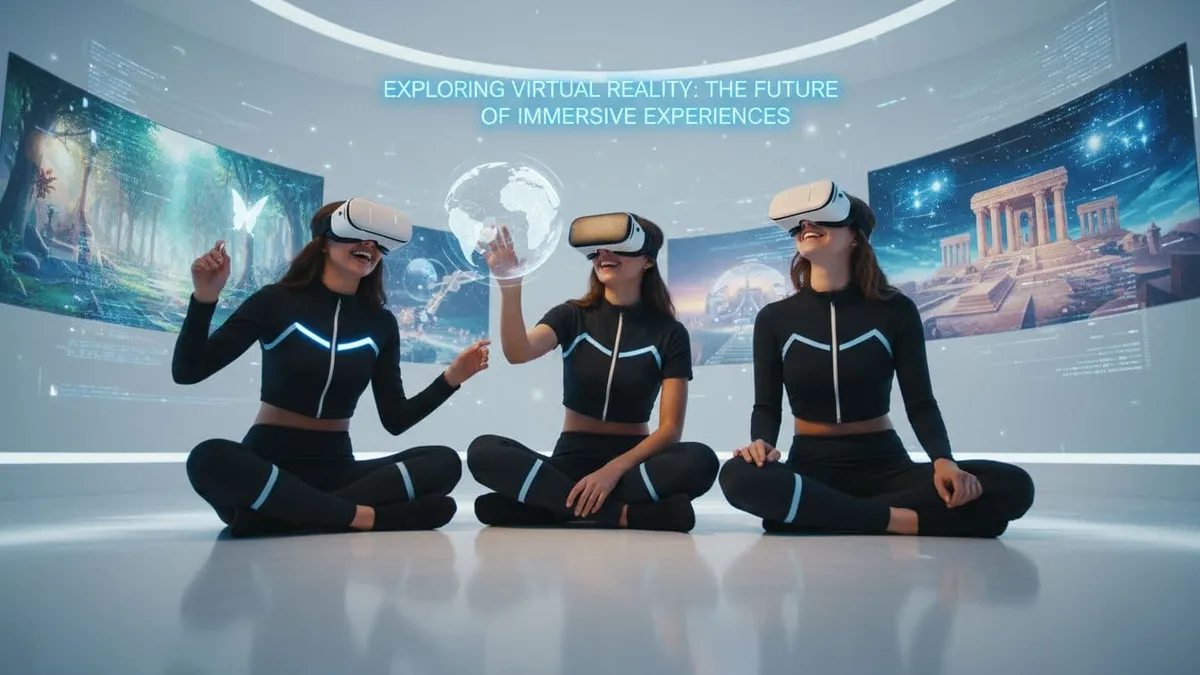
Virtual Reality (VR) has transcended its initial novelty status to become a transformative force across various industries. From gaming and education to healthcare and real estate, VR is reshaping how we interact with digital environments. In this article, we’ll delve into the intricacies of VR, its significance in today’s world, and how it’s poised to revolutionize our future.
Table of Contents
- What is Virtual Reality?
- Why Virtual Reality is Important in 2025
- Top 10 Virtual Reality Applications
- Comparison Table: Leading VR Headsets
- How to Choose the Right VR Solution
- FAQs
- Conclusion
What is Virtual Reality?
Virtual Reality is a simulated experience that can be similar to or completely different from the real world. It involves the use of computer technology to create a three-dimensional, immersive environment that users can interact with using specialized equipment like VR headsets and gloves.
Common FAQs:
- How does VR work? VR systems use sensors and input devices to track user movements and adjust the virtual environment accordingly.
- What equipment is needed for VR? Typically, a VR headset, motion controllers, and a compatible device (like a PC or console) are required.
Why Virtual Reality is Important in 2025
As of 2025, VR technology has seen exponential growth, with applications extending beyond entertainment into sectors like:
- Education: Virtual classrooms and interactive learning modules.
- Healthcare: Surgical simulations and mental health therapies.
- Real Estate: Virtual property tours.
- Workplace Training: Simulated environments for skill development.
According to Statista, the VR market is projected to reach $44.7 billion by 2024, indicating its growing relevance.
Top 10 Virtual Reality Applications
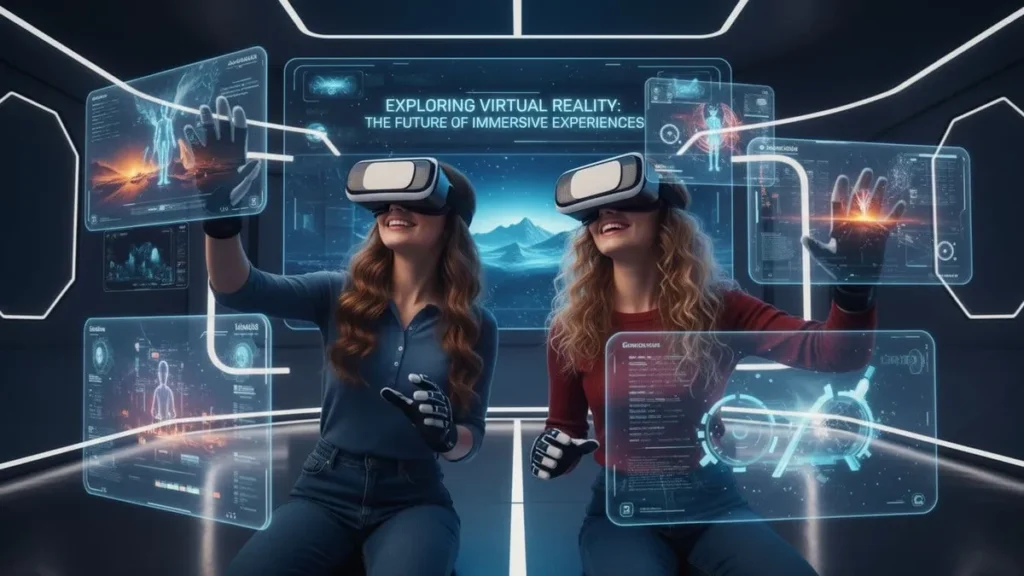
- Gaming: Immersive gameplay experiences.
- Education: Interactive learning environments.
- Healthcare: Patient treatment and medical training.
- Real Estate: Virtual property walkthroughs.
- Tourism: Virtual travel experiences.
- Retail: Virtual shopping and product trials.
- Automotive: Virtual prototyping and design.
- Architecture: 3D modeling and walkthroughs.
- Military: Combat training simulations.
- Social Interaction: Virtual social platforms.
Comparison Table: Leading VR Headsets
| VR Headset | Resolution | Field of View | Price Range | Platform Compatibility |
|---|---|---|---|---|
| Oculus Quest 2 | 1832 x 1920 per eye | 90° | $299 | Standalone, PC |
| HTC Vive Pro 2 | 2448 x 2448 per eye | 120° | $799 | PC |
| PlayStation VR | 1920 x 1080 | 100° | $399 | PlayStation |
| Valve Index | 1440 x 1600 per eye | 130° | $999 | PC |
How to Choose the Right VR Solution
When selecting a VR system, consider the following factors:
- Purpose: Determine if it’s for gaming, education, or professional use.
- Budget: VR systems range from affordable to premium.
- Compatibility: Ensure the VR headset is compatible with your existing devices.
- Comfort: Look for ergonomic designs for extended use.
- Content Availability: Check the availability of VR content relevant to your interests.
FAQs
Q1: Is VR safe for children?
A: While VR can be safe, it’s recommended for children above 12 years, with supervised usage.
Q2: Can VR cause motion sickness?
A: Some users may experience motion sickness; choosing high-refresh-rate headsets can mitigate this.
Q3: Do I need a powerful PC for VR?
A: High-end VR experiences require robust PCs, but standalone headsets like Oculus Quest 2 offer flexibility.
Conclusion
Virtual Reality stands at the forefront of technological innovation, offering immersive experiences that bridge the gap between the digital and physical worlds. As VR continues to evolve, its applications will become increasingly integral to various aspects of our lives, making it a field worth exploring and investing in.